Recently, Youlei Food Stuff Technique (Jingjiang) Co., Ltd. successfully passed the renewal audit for the BRCGS Global Standard for Food Safety (Issue 9) and was awarded the upd...
READ MORE

 2026.06.26
 Branschnyheter
Kärnmetoden för att utveckla lågsocker- eller sockerfria kexpåläggsformuleringar innebär att ersätta sackaros med sockeralkoholsötningsmedel som maltitol och erytritol, samtidigt som man justerar kurvan för innehållet av fast fett (SFC) i fettsystemet och införlivar kostfiber för att kompensera för volymförlust och texturförändringar orsakade av sockerreduktion. En framgångsrik formulering måste bibehålla en pumpbar viskositet på 5 000-20 000 mPa·s vid bearbetningstemperaturer på 40-50°C och leverera stabil textur och hållbarhet under omgivande lagringsförhållanden.
Den globala kexmarknaden värderades till cirka 104 miljarder USD 2023, med fyllda och belagda varianter som representerade ett av de snabbast växande undersegmenten. Konsumenternas efterfrågan på "bättre-för-dig-produkter" driver påläggsberedningar för kex mot sockerminskning. Marknadsdata visar att produkter med 25-40 % sockerreduktion fortsätter att få penetration på marknaderna i Europa, Nordamerika och Asien-Stillahavsområdet. För livsmedelstillverkare är utvecklingen av pålägg med låg sockerhalt eller sockerfria kex inte bara ett svar på konsumenttrender, utan en strategisk ingång till segmentet för funktionella kex.
Men socker i kexpålägg fyller funktioner långt utöver sötma enbart. Det påverkar direkt textur, vattenaktivitet (Aw), lagringsstabilitet och bearbetningsprestanda. Att helt enkelt ta bort socker utan systematiska formuleringsjusteringar leder till grynighet, fettavskiljning, accelererad fuktmigrering och i slutändan förkortad hållbarhet med försämrad konsumentupplevelse.
Innan du utforskar ersättningsstrategier är det viktigt att förstå de specifika rollerna socker spelar i formuleringen. Följande tabell sammanfattar sockers kärnfunktioner i kexpålägg och de utmaningar som uppstår efter reduktion:
| Funktionell dimension | Sockers roll | Utmaning efter reduktion |
|---|---|---|
| Sötma och smak | Ger bassötma och förstärker frisättningen av kakao, karamell och andra smaktoner | Sötningsmedelsersättningar måste matcha sötmanskurvan utan att introducera bitter eftersmak eller metalliska toner |
| Volym och textur | Sockerpartiklar fyller fettfasen och skapar en tät, slät pastastruktur | Volymförlust leder till kollapsad eller alltför tunn pastakonsistens |
| Vattenaktivitetskontroll | Hög sockerkoncentration sänker Aw, hämmar mikrobiell tillväxt | Formuleringsjusteringar som krävs för att hålla Aw under säkerhetströskeln 0,5 |
| Bearbetningsviskositet | Sockerpartiklar ökar systemets viskositet, vilket säkerställer stabil drift av fyllningslinjen | Viskositetsminskning kan orsaka dropp eller ojämn fyllning |
| Färg och Maillard-reaktion | Deltar i bryningsreaktioner under gräddning eller uppvärmning, vilket ger tilltalande färg | Kompensation genom andra reducerande sockerarter eller processjusteringar som behövs |
För närvarande använder industrin tre primära tekniska vägar för reduktion av socker på kex, var och en med distinkta tillämpningsscenarier och tekniska trösklar:
| Teknisk väg | Kärningredienser | Sockerreduktionsintervall | Teknisk svårighet | Typiska applikationer |
|---|---|---|---|---|
| Sockeralkoholersättning | Maltitol, isomalt, erytritol | 25 %-100 % | Måttlig | Lågsockerpålägg av kolakex, sockerfritt kakaokexpålägg |
| Högintensivt fyllmedel för sötningsmedel | Steviolglykosider, munkfruktextrakt polydextros, inulin | 50 %-100 % | Hög | Sockerfritt nötkexpålägg, funktionell kexfyllning |
| Processoptimering för naturlig sockerreduktion | Enzymatisk behandling, fermentationsbaserad reduktion, formelomstrukturering | 15%-30 % | Mycket hög | Clean-label kexpålägg, premium hantverksserie |
Sockeralkoholer representerar den mest industriellt mogna sockerreduktionslösningen. Om man tar maltitol som ett exempel, är dess sötma ungefär 90 % av sackaros, med bara hälften av kalorivärdet, och det orsakar inte signifikanta blodsockerfluktuationer. I spridningsberedningar för kex kräver ersättning av sockeralkohol uppmärksamhet på följande tekniska detaljer:
Partikelstorlekskontroll: Partikelstorleken för malning av sockeralkohol bör kontrolleras under 25 mikron, i enlighet med konventionella florsockerstandarder. Grövare partiklar skapar märkbar grynighet i munnen, vilket förstör den silkeslena munkänslan som kexpålägg ska ge. Ultrafin slipteknik är särskilt kritisk i detta skede.
Fettsystemjustering: Sockeralkoholer uppvisar olika hygroskopicitet jämfört med sackaros, vilket förändrar fettfasens fasta fettinnehållskurva. Formulatorer måste omvärdera SFC-kurvor för att säkerställa att produkten förblir pumpbar vid fyllningstemperaturer på 40-50°C samtidigt som den uppvisar en fast men ändå icke-fet konsistens vid lagringstemperaturer på 20-25°C. Förhållandet mellan palmbaserade fraktionerade fetter och sheasmörderivat kräver ofta omoptimering.
Vattenaktivitetshantering: Även om sockeralkoholer har Aw-sänkande förmåga, skiljer sig deras effektivitet från sackaros. Formuleringar kan kräva mindre salttillsatser eller justeringar av mjölkpulverförhållandet för att hjälpa till att kontrollera vattenaktiviteten, vilket säkerställer att slutprodukten håller Aw inom det säkra intervallet 0,3-0,5 under 12-24 månaders hållbarhet i omgivningen.
Emulgeringsmedelsdosering: Efter sockeralkoholersättning minskar vanligtvis systemets viskositet. Lecitindosering (0,3 %-0,5%) eller PGPR (polyglycerolpolyricinoleat) kan behöva måttliga ökningar för att bibehålla målviskositetsintervallet på 5 000-20 000 mPa·s som krävs för kompatibilitet med fyllningslinjen.
För sockerfria (100 % sockerreduktion) formuleringar kan enstaka sockeralkoholer ofta inte helt replikera sackarosens volymbidrag och texturegenskaper. Detta scenario kräver en kombinationsmetod med högintensiva sötningsmedel med bulkmedel för kostfiber:
Val av sötningsmedel: Rebaudioside M steviolglykosider och munkfruktextrakt representerar de vanligaste högintensiva sötningsmedelskombinationerna i industriella tillämpningar idag. Deras fördelar inkluderar sackaros-liknande sötma perception, frånvaro av bitter eftersmak och god termisk stabilitet som kan motstå fyllningsprocesser vid höga temperaturer upp till 50°C.
Bulkagentsystem: Polydextros och inulin fungerar som de två primära valen. Polydextros ger volym och strukturellt stöd jämförbart med sackaros samtidigt som det erbjuder prebiotisk funktionalitet. Inulin bidrar med krämig munkänsla vid sidan av volymen, även om användning över 10 % kan ge en liten bitterhet. I praktiska formuleringar kombineras dessa typiskt i förhållanden som sträcker sig från 3:1 till 5:1.
Texturkompensationsstrategi: I sockerfria formuleringar kräver fettfasproportionen typiskt en ökning med 3%-5% för att kompensera för systemkonsistensförlust på grund av sockerborttagning. Dessutom kan mikrokristallin cellulosa eller modifierad stärkelse införas som extra förtjockningsmedel, även om strikt doseringskontroll är nödvändig för att undvika att kompromissa med smält-i-mun-egenskaperna hos slutprodukten.
Följande representerar ett industriellt validerat ramverk för spridning av kolakex med låg sockerhalt, som uppnår 35 % sockerreduktion samtidigt som sensorisk likvärdighet med fullsockerversionen bibehålls:
| Ingredienskomponent | Standard Formel % | Lågsockerformel % | Anmärkningar om justering |
|---|---|---|---|
| Palmbaserat specialfett | 28 % | 30% | Ökade 2 % för att kompensera för texturskillnader från sockeralkohol |
| Sackaros / Florsocker | 35 % | 0% | Helt utbytt |
| Maltitol pulver | 0% | 32 % | Partikelstorlek under 25μm, sötma 90% av sackaros |
| Karamellkexsmulor | 18 % | 18 % | Oförändrad, ger smak och strukturella lager |
| Helmjölkspulver | 8 % | 8 % | Oförändrat |
| Lecitin | 0,3 % | 0,4 % | Ökade 0,1 % för att bibehålla viskositeten |
| Polydextros | 0% | 3% | Kompletterar volym och textur |
| Salt | 0,2 % | 0,3 % | Finjusterad för att förbättra smakkontrasten |
| Smak/krydda | 0,5 % | 0,5 % | Oförändrat |
Denna formulering visade stabilitet i testning av accelererad hållbarhet vid 38°C/75 % RH, och visade ingen fettseparation, fuktmigrering eller mikrobiologisk överskridande efter 8 veckor. Uppmätt vattenaktivitet var 0,42, vilket tillfredsställer kraven på omgivande lagring.
Produktionsprocessen för pålägg med låg sockerhalt och sockerfria kex är i grunden förenlig med konventionella produkter, även om följande steg kräver särskild uppmärksamhet:
Blandningstemperatur: Sockeralkoholer uppvisar i allmänhet högre smältpunkter än sackaros (maltitol smälter vid 165-168°C), men förblir som fasta partiklar inom bearbetningstemperaturintervallet. Blandningsstegets temperatur bör kontrolleras till 45-50°C för att säkerställa jämn spridning av sockeralkoholpulver i den smälta fettfasen, samtidigt som man undviker lokal överhettning som kan orsaka fettoxidation.
Förfiningsvaraktighet: Sockeralkoholpartiklar har något större hårdhet än sackaros, vilket potentiellt kräver en 10-15% förlängning av raffineringstiden för att uppnå målpartikelstorleksfördelningen (D90 under 25μm). Otillräcklig raffinering resulterar direkt i grov textur av färdig produkt.
Viskositetsövervakning: Eftersom sockeralkoholsystem uppvisar olika reologiska egenskaper än sackarossystem, rekommenderas onlineviskositetsövervakning för varje produktionssats för att säkerställa att viskositeten vid fyllningstemperaturen förblir inom målområdet 5 000-20 000 mPa·s. När viskositetsavvikelsen överstiger 10 % bör dosen lecitin eller PGPR justeras.
Kylkurva: Formuleringar med låg sockerhalt kräver vanligtvis något snabbare kylningshastigheter för att bilda stabila fettkristallnätverk. Kyltunnelns temperaturinställningar bör minskas med 2-3°C, eller kyltiden förlängas med 5%-10%, för att förhindra fettmigrering eller ytoljning under lagring.
Den slutliga framgången för formuleringar med reducerat socker beror på konsumenternas sensoriska acceptans. Följande utvärderingsdimensioner rekommenderas:
| Utvärderingsdimension | Utvärderingskriterier | Formelmål med låg sockerhalt |
|---|---|---|
| Utseende | Färgjämnhet, glans, ytjämnhet | Skillnad från full-sockerreferens ≤1 poäng (9-gradig skala) |
| Arom | Karamellintensitet, mejeritoner, bakade toner | Skillnad från full-socker referens ≤1 poäng |
| Munkänsla | Initial jämnhet, grynighet, smältande egenskaper | Grittiness-poäng ≤2 poäng (5-gradig skala) |
| Smak | Sötma intensitet, karamellkaraktär, eftersmaksrenhet | Ingen bitter eftersmak eller metalliska toner |
| Textur | Spridbarhet, fasthet, vidhäftningsförmåga | Spridbarhetspoäng ≥7 poäng (9-gradig skala) |
Om sensorisk utvärdering avslöjar otillräcklig sötma, kan högintensiv sötningsmedelsdosering finjusteras (vanligtvis ger en ökning på 0,01%-0,02% betydande perceptuell skillnad) snarare än att öka sockeralkoholhalten. Överdriven sockeralkohol kan utlösa gastrointestinala besvär (osmotisk diarré), som måste anges på produktmärkningen.
Påståenden om låg sockerhalt och sockerfria påståenden är föremål för olika regulatoriska krav på olika marknader. Ta den kinesiska marknaden som ett exempel:
"Low Sugar"-påstående: Produkter får endast bära denna märkning när sockerhalten per 100g är ≤5g. Här avser "socker" den kombinerade summan av monosackarider och disackarider, exklusive sockeralkoholer. Därför kan formuleringar som använder maltitol för att ersätta sackaros lagligen använda "lågt socker"-märkning så länge som mono- och disackaridtotal når tröskeln.
"Sockerfritt" påstående: Produkter får endast bära denna märkning när sockerhalten per 100 g är ≤0,5 g. För att uppnå äkta sockerfri status krävs fullständigt avlägsnande av sackaros, glukos, fruktos, maltos och alla andra mono- och disackarider, med endast sockeralkoholer och högintensiva sötningsmedel. Dessutom får råvaror som används i formuleringen (såsom mjölkpulver och kexsmulor) i sig inte innehålla några påvisbara sockerarter.
Sockeralkoholmärkning: Enligt GB 28050 faller sockeralkoholer under kolhydratkategorin och måste anges separat i näringsfaktapanelen. Vidare, när sockeralkoholhalten överstiger vissa tröskelvärden, måste ett varningsmeddelande som "Överdriven konsumtion kan orsaka diarré" finnas på etiketten.
För livsmedelstillverkare skiljer sig hanteringen av försörjningskedjan av lågsocker- och sockerfria pålägg av kex från konventionella produkter. Under leverantörsutvärderingen motiverar följande mätvärden särskilt fokus:
Spårbarhet för råvaror: Sockeralkoholleverantörer bör ha robusta kvalitetsledningssystem och tillhandahålla rapporter om partikelstorleksfördelning, fukthaltscertifikat och mikrobiologiska testresultat för varje batch. Sockeralkoholpulver med D90 som överstiger 30 μm kommer direkt att påverka den färdiga produktens munkänsla.
Stöd för formuleringsutveckling: Överlägsna kexpåläggsleverantörer tillhandahåller inte bara råvaror, utan bör ha förmågan att skräddarsy formuleringar enligt kundens mål (reduktionsprocent, kostnadsintervall, processförhållanden). Konsekvensen av uppskalning från 50 kg pilotsatser till 5 000 kg produktionssatser fungerar som en nyckelindikator på leverantörens tekniska förmåga.
Konsistens batch-till-batch: Leverantörer bör tillhandahålla data om viskositet, vattenaktivitet och syravärde över tre på varandra följande satser, med variationskoefficient (CV) ≤5 %. Viskositetsfluktuationer som överstiger 10 % kommer direkt att påverka fyllningslinjens driftseffektivitet.
Certifieringssystem: Utöver standard BRC-, FSSC 22000- och ISO 22000-certifieringar, om produkter riktar sig till specifika marknader (som EU eller USA), måste leverantörerna också visa motsvarande exportkvalifikationer och förmåga att hantera allergen.
Den tekniska utvecklingen inom sektorn med låg socker och sockerfri bredbar kex fortsätter att accelerera. Följande anvisningar förtjänar uppmärksamhet:
Enzymatisk sockerreduktion: Genom behandling med glukosoxidas eller transglukosidas kan naturlig sockerreduktion uppnås utan att använda alternativa sötningsmedel. Denna teknik används för närvarande främst i flytande livsmedel, med tillämpning i pålägg av pastatyp fortfarande i forsknings- och utvecklingsfasen, även om utsikterna är lovande.
Sällsynta sockerapplikationer: Allulos, som ett sällsynt socker med lågt kaloriinnehåll, levererar cirka 70 % av sackaros sötma med endast 0,4 kcal/g, och deltar inte i Maillard-reaktioner, vilket erbjuder utmärkt färgstabilitet. Den har redan fått godkännande för användning i kexprodukter på den nordamerikanska marknaden och förväntas komma in på marknaderna i Asien och Stillahavsområdet inom de närmaste 2-3 åren.
Växtbaserade sockerreduktionssystem: När den växtbaserade trenden sträcker sig in i kexsektorn, tar formuleringar som använder havremjöl och kokosgräddepulver för att ersätta mejeripulver, kombinerat med naturliga sötningsmedel med lågt GI som kokosblomsocker eller dadelpasta, fart. Även om dessa formuleringar vanligtvis erbjuder begränsad sockerreduktion (15 %-25 %), uppfyller de dubbla krav på renmärkta och naturliga påståenden.
Recently, Youlei Food Stuff Technique (Jingjiang) Co., Ltd. successfully passed the renewal audit for the BRCGS Global Standard for Food Safety (Issue 9) and was awarded the upd...
READ MOREDu har precis öppnat en låda med feuilletine, och de gyllene flingorna är perfekt knapriga. Men om påsen lämnas öppen över natten förvandlas den där trevliga knäppningen till en platt, seg besvikelse. Detta är inte...
READ MOREFör att stärka sin position på halalmarknaderna fortsätter företaget att förfina sin kategorihantering för halalcertifiering, vilket säkerställer att nya produkter omgående certifieras efter lanseringen. Företa...
READ MORECookiesmulor för glasstoppning: varför formatet avgör efterrätten En chokladkaka-smultopping ser perfekt ut i det ögonblick som skopan går ner i koppen. Tio minuter senare, på en varm disk eller i en k...
READ MORE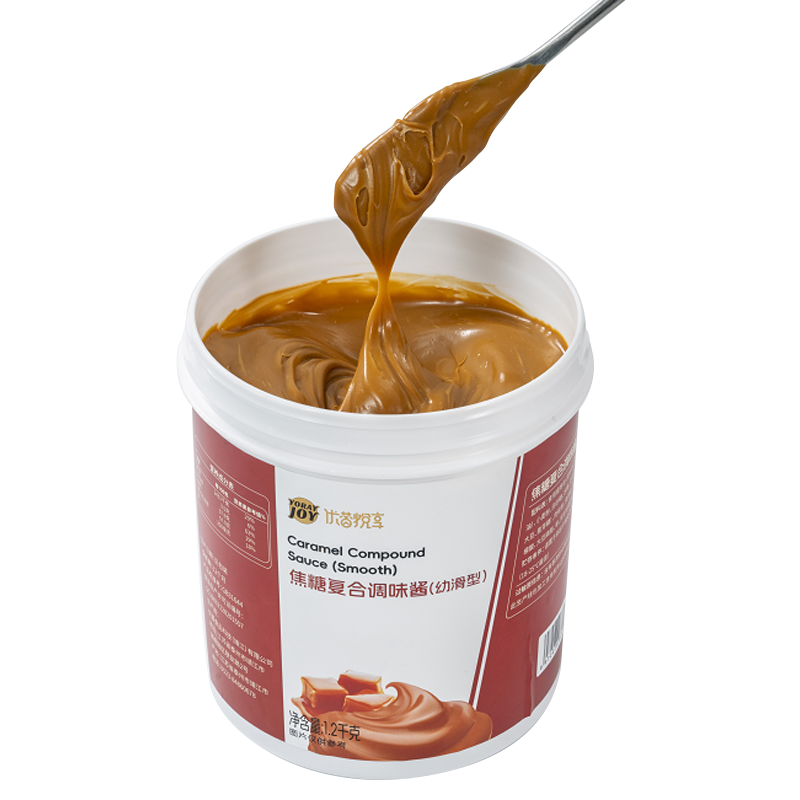
Inspirerad av klassiskt europeiskt hantverk, blandar denna produkt perfekt den djupa sötman av karamell med de varma aromerna av kanel och kryddnejlika, och förvandlar dem till en silkeslen flytand...
See Details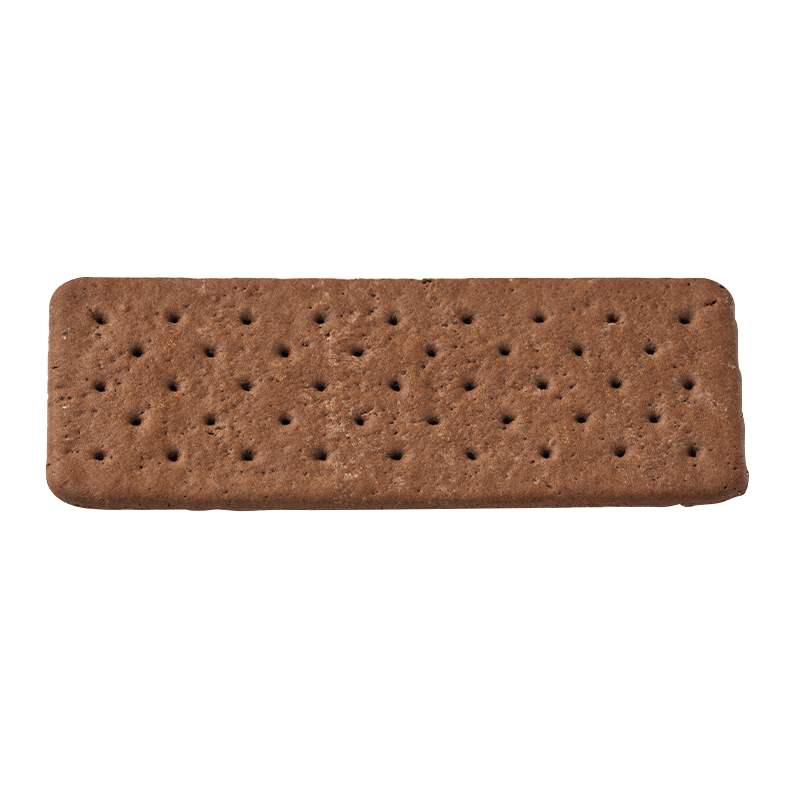
Denna rektangulära kakaohårda kaka är en klassisk bakad halvfabrikat som kombinerar en krispig konsistens med utmärkt fysisk kompatibilitet, vilket gör den till en idealisk bas för frysta desserter...
See Details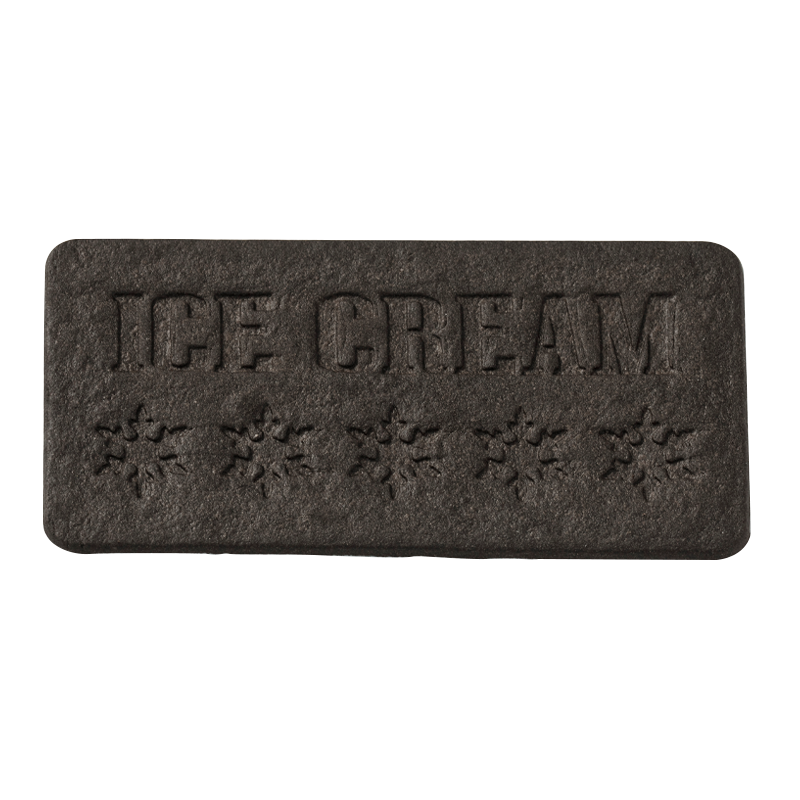
Detta rektangulära kakaokrisp är det perfekta skalet för glassmackor. Den fortsätter med den klassiska "Oreo"-smakprofilen och är optimerad för kylkedjemiljöer.
See Details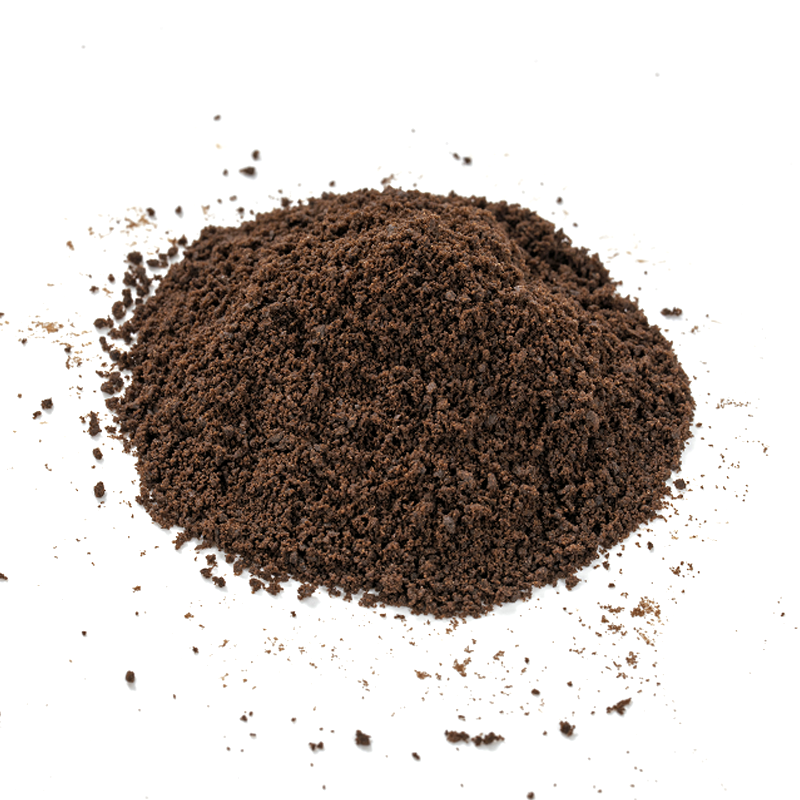
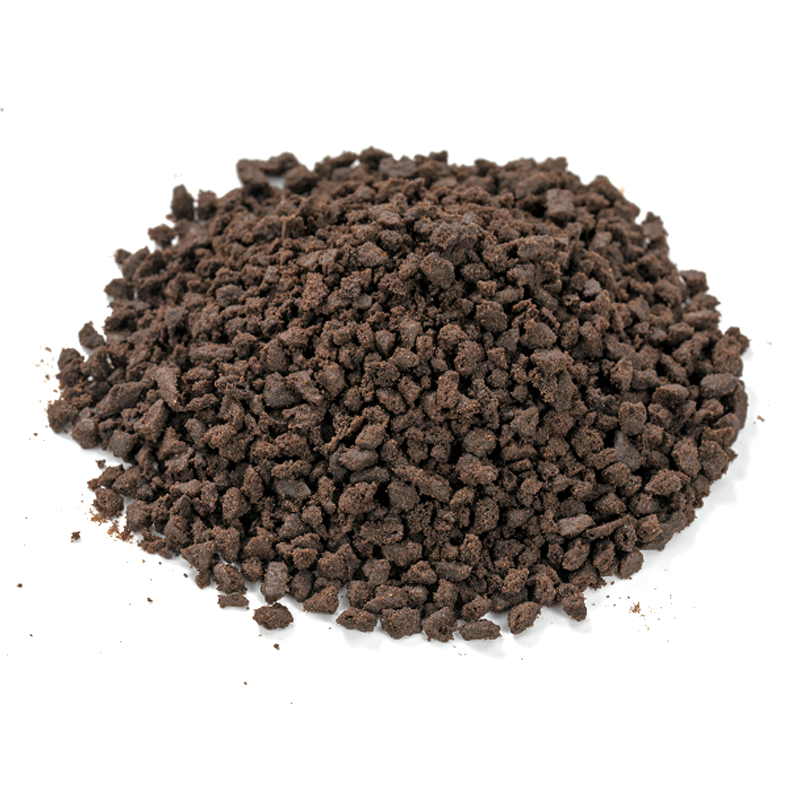
Kakaokexpulver hyllas som den "svarta guldingrediensen" i dessertvärlden, och blir en kärningrediens i industrin för bakning, kalla drycker och te tack vare deras rika, karamelliserade smak och kri...
See Details
Denna kärnkomponent, speciellt designad för premiumglass, har ett vetenskapligt formulerat förhållande med hög fetthalt och hög sockerhalt, vilket ger både robust strukturellt stöd och en krispighe...
See Details
Snabblänkar
Förhandsgranskning av kod